
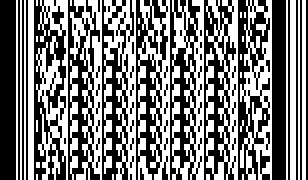
Righto, you lot, let’s have a squiz at what’s on the back of a US or Canadian driver’s licence.
What you’ll see on the back is this long bloody “brick” of stripes—that’s your PDF417.
It’s not just your average barcode, it’s a 2D code that can stack a heap of info, not just numbers like a normal barcode.
Now here’s the ripper—it runs on the AAMVA standard.
What’s crammed in there (and why it matters)
This code is basically your whole ID, all squished down:
- First name, last name
- Date of birth
- Licence number
- Address
- Expiry date
- Height/eye colour
So the scanner isn’t reading a “picture,” it’s reading a structured packet of data.
Kinda like:
DAQ123456789
DCSSHITNISTER
DACDICK
DBB1990…
To the naked eye, it’s just a load of gibberish.
But to the system, it’s all clearly labelled fields.
Why the AAMVA standard is a big deal
AAMVA basically says:
“Right you lot, all states, do it the same way so we can read this shit without a headache.” And that’s why:
- In California
- In New York
- In Florida
the code reads the same. The data might be different, but the reading’s all one standard.
This is dead important because:
- The cops
- The pubs
- The airports
- The car hire joints
all use scanners—and they’re all expecting the one format.
This is where this code really comes into its own:
The Old Bill: Scan → instant check:
- Are the licence legit?
- Is the person on the run?
Righto, pubs, clubs, and dodgy food joints: Scan → age check.
And if you reckon you can just get by on looks—nah, mate, the scanner’ll tell the truth.
Car rentals / banks: Scan → auto-fill of your details.
Why PDF417 isn’t just a picture
This is where a lot of you blokes get it wrong. The code isn’t just “drawing some stripes.”
It includes:
- checksums
- data format
- the AAMVA structure
If even one little thing is out of whack: → scanner: ERROR. And that’s it, you’re busted.
Where it all goes pear-shaped
Let’s be dead honest—the main fail isn’t because of what the licence looks like, it’s the code. Typical story:
On the outside, it’s all tops
But the scanner says: “this is rubbish”
Why?
- wrong structure
- data doesn’t match up
- corrupted fields
- wrong AAMVA format
The power of the standard
AAMVA pulled a clever trick: the visual is easy enough to fake, but the code’s a whole other ball game.
Because you gotta:
- know the format
- encode the data properly
- stick to the structure
This ain’t just a quick knock-up in Photoshop.
The technical ripper about PDF417
Why this one, specifically?
- it holds a shitload of data
- it’s tough as nails against damage
- you can partially stuff it—and it’ll still read
Like: half the code is scratched off → it still works. That makes it perfect for IDs.
The simple gist: An AAMVA-standard PDF417 is:
not just a barcode
it’s a digital passport stuffed inside your licence.
It:
- stores the data
- gets checked by machines
- protects against fakes
In a nutshell: If the front of the licence is “for the people,” then the PDF417 is “for the system,” and it’s the one that decides if the doc is legit or not.